England, England, EDL, EDL

This slideshow requires JavaScript.

Deutscher Bericht:

www.taz.de/Nach-dem-Mord-in-London/!116732/

English:

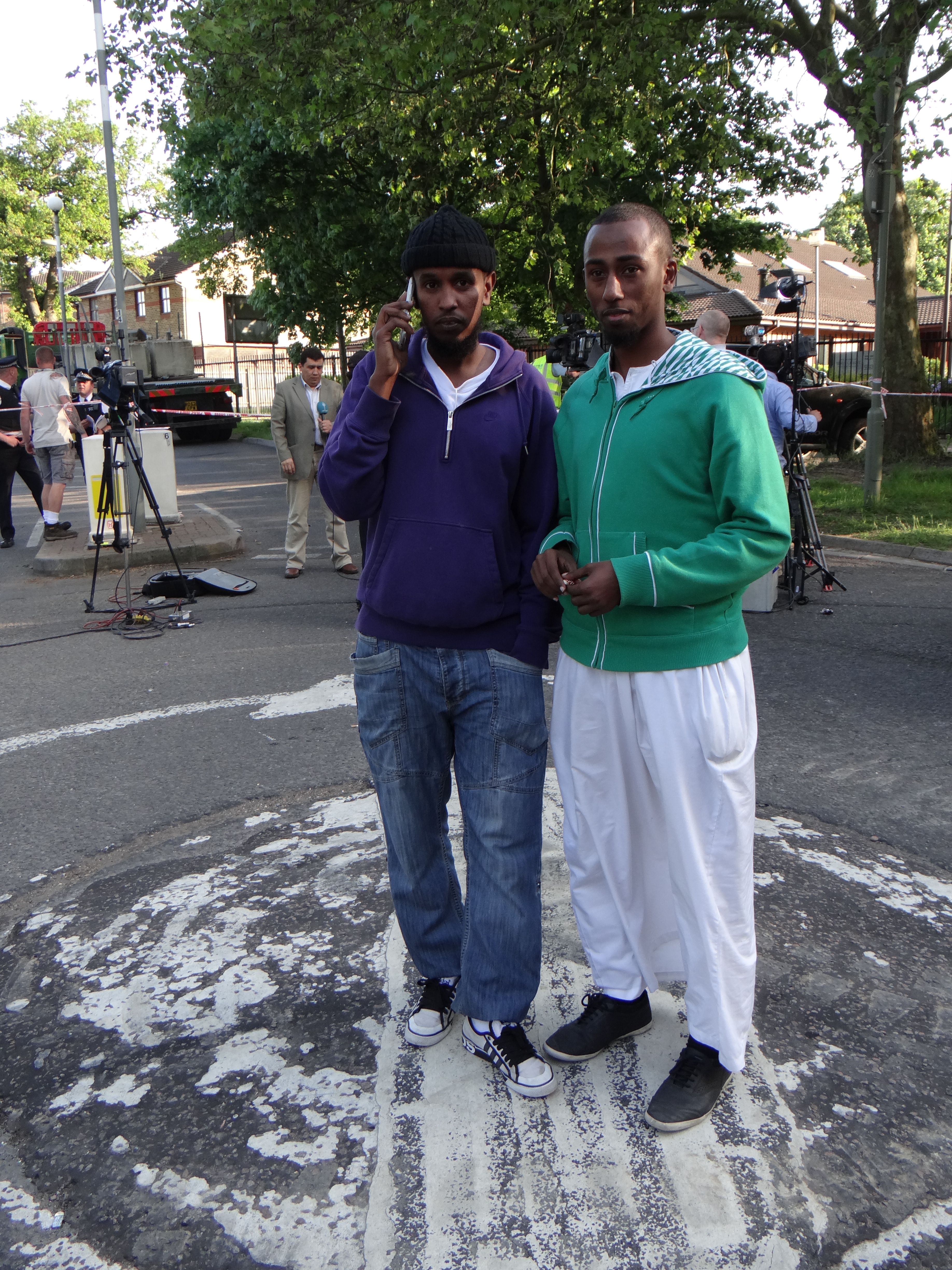
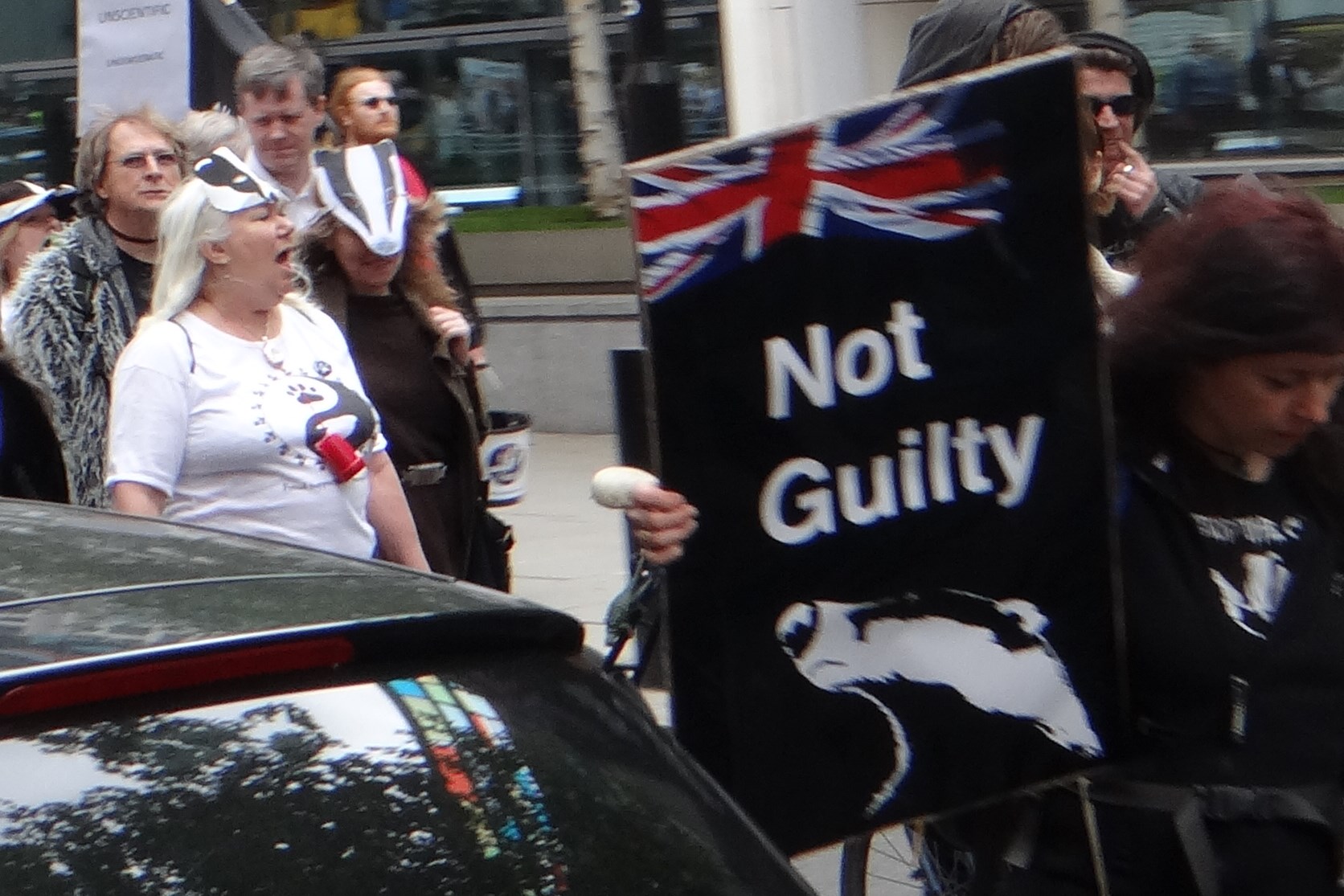
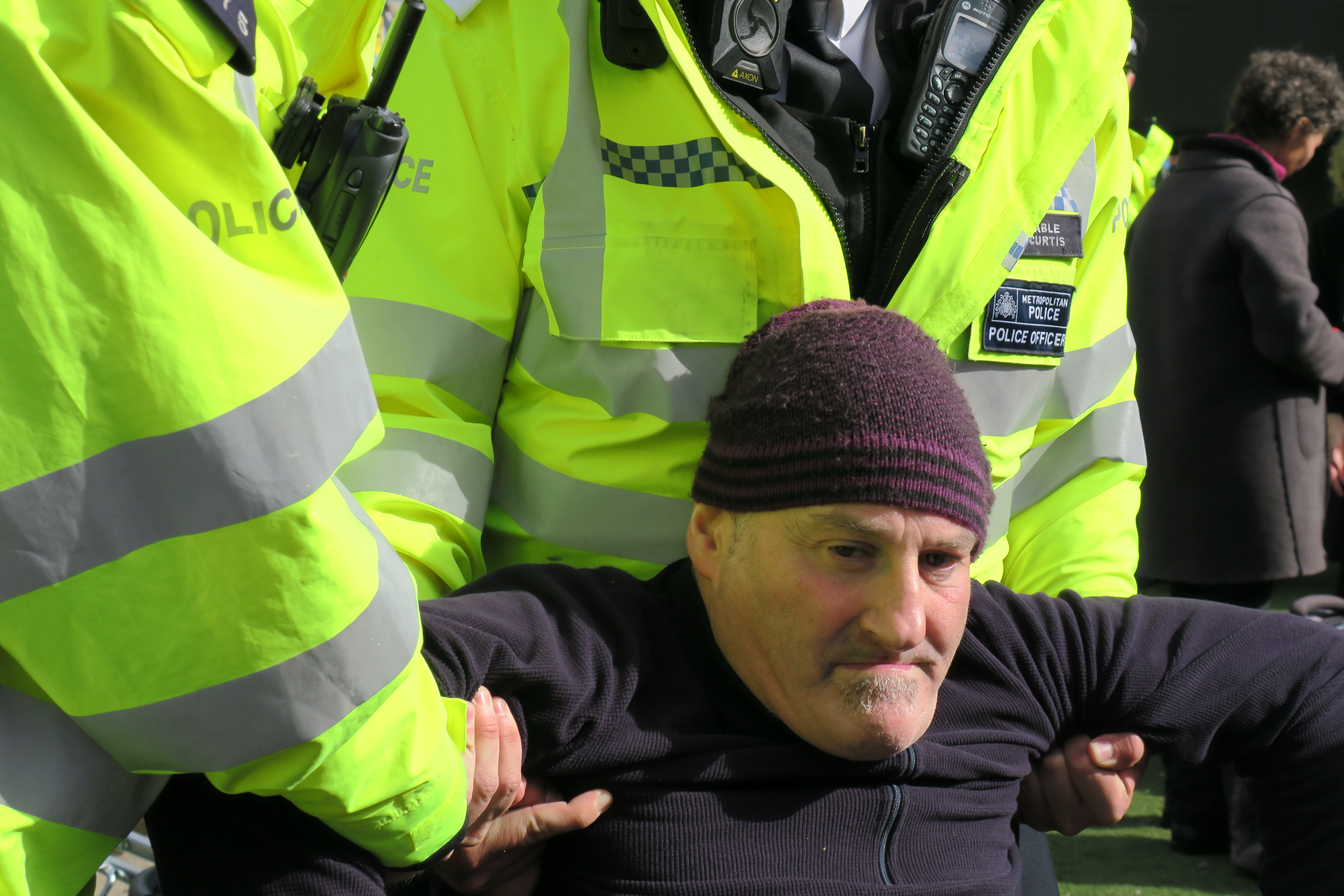
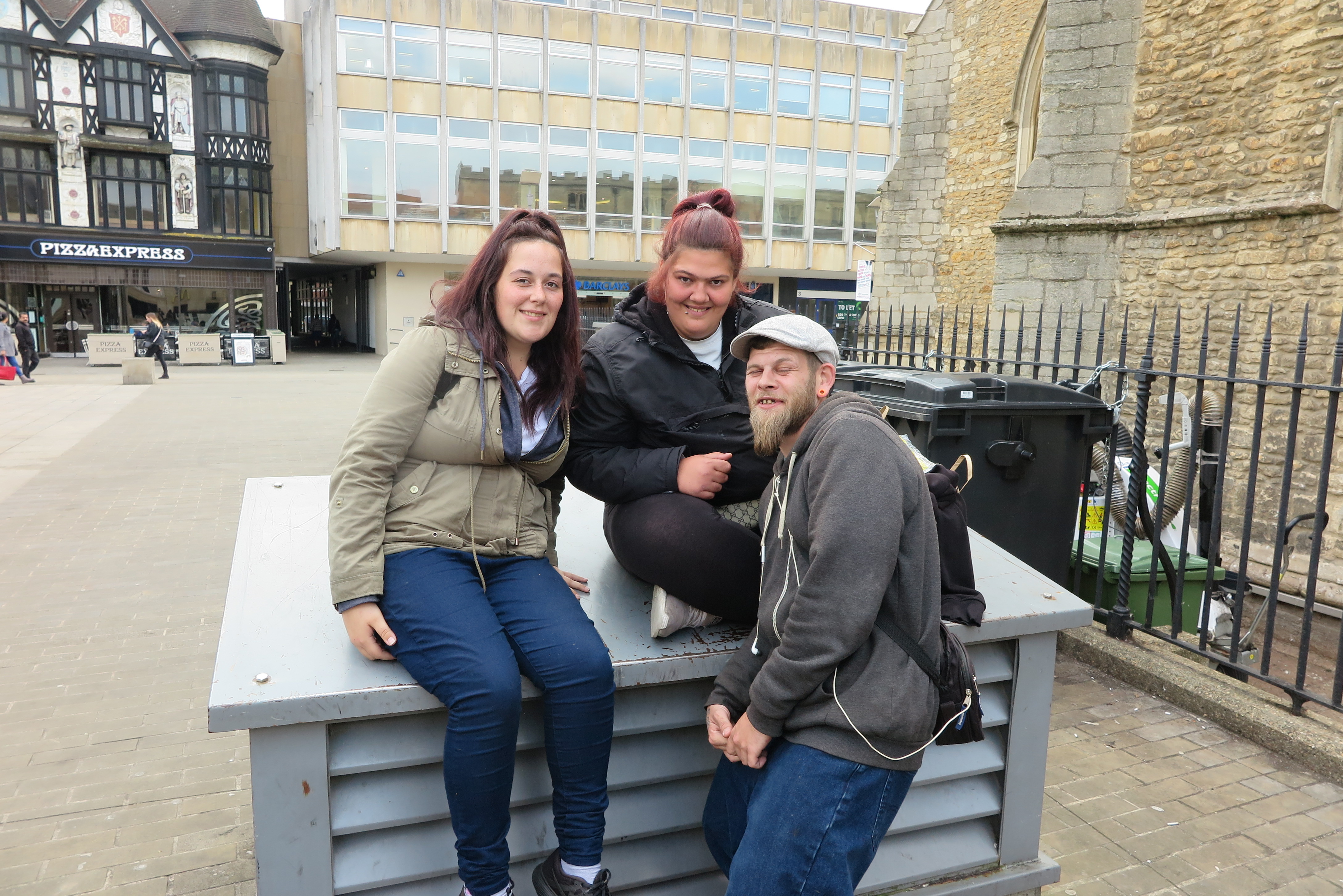
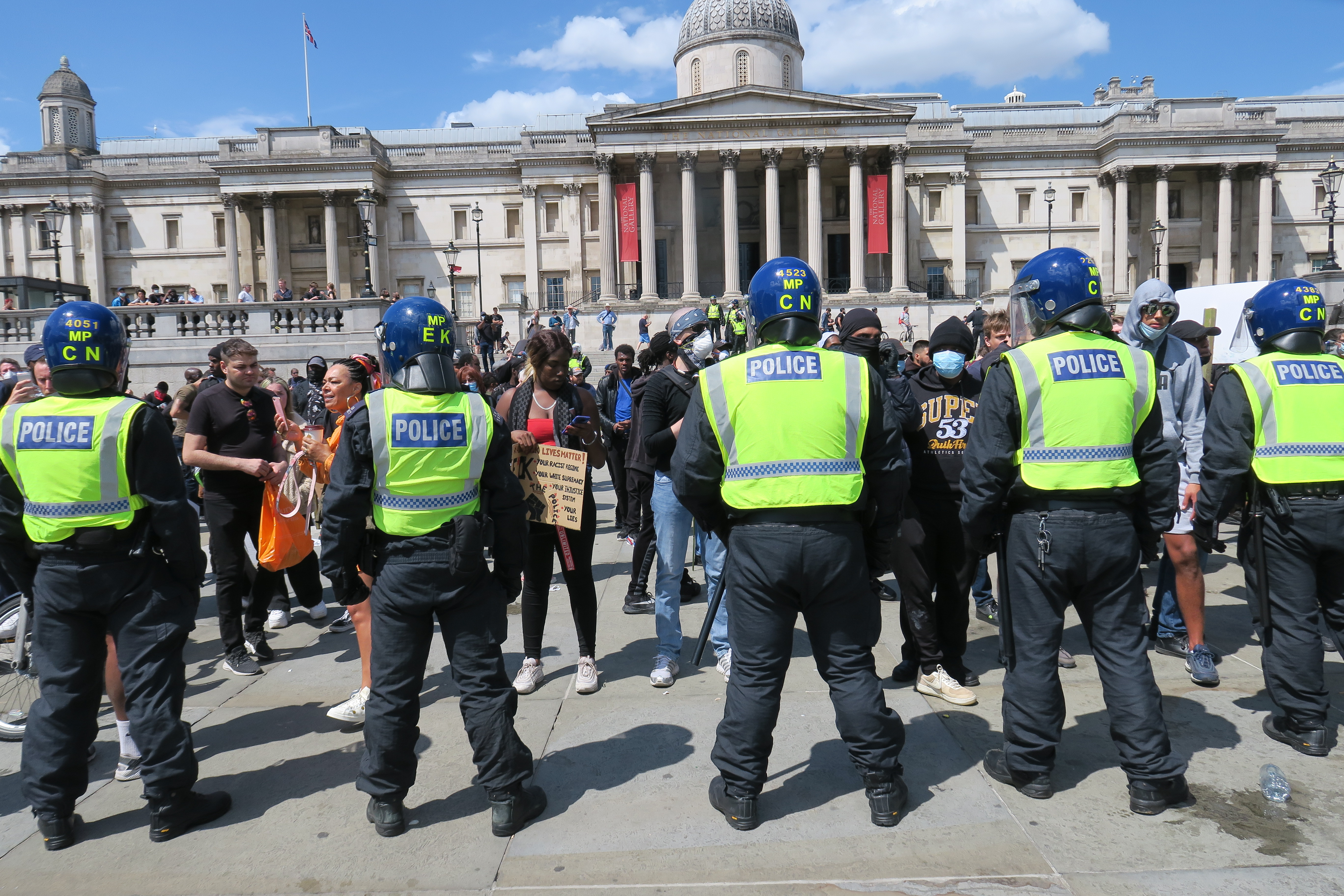
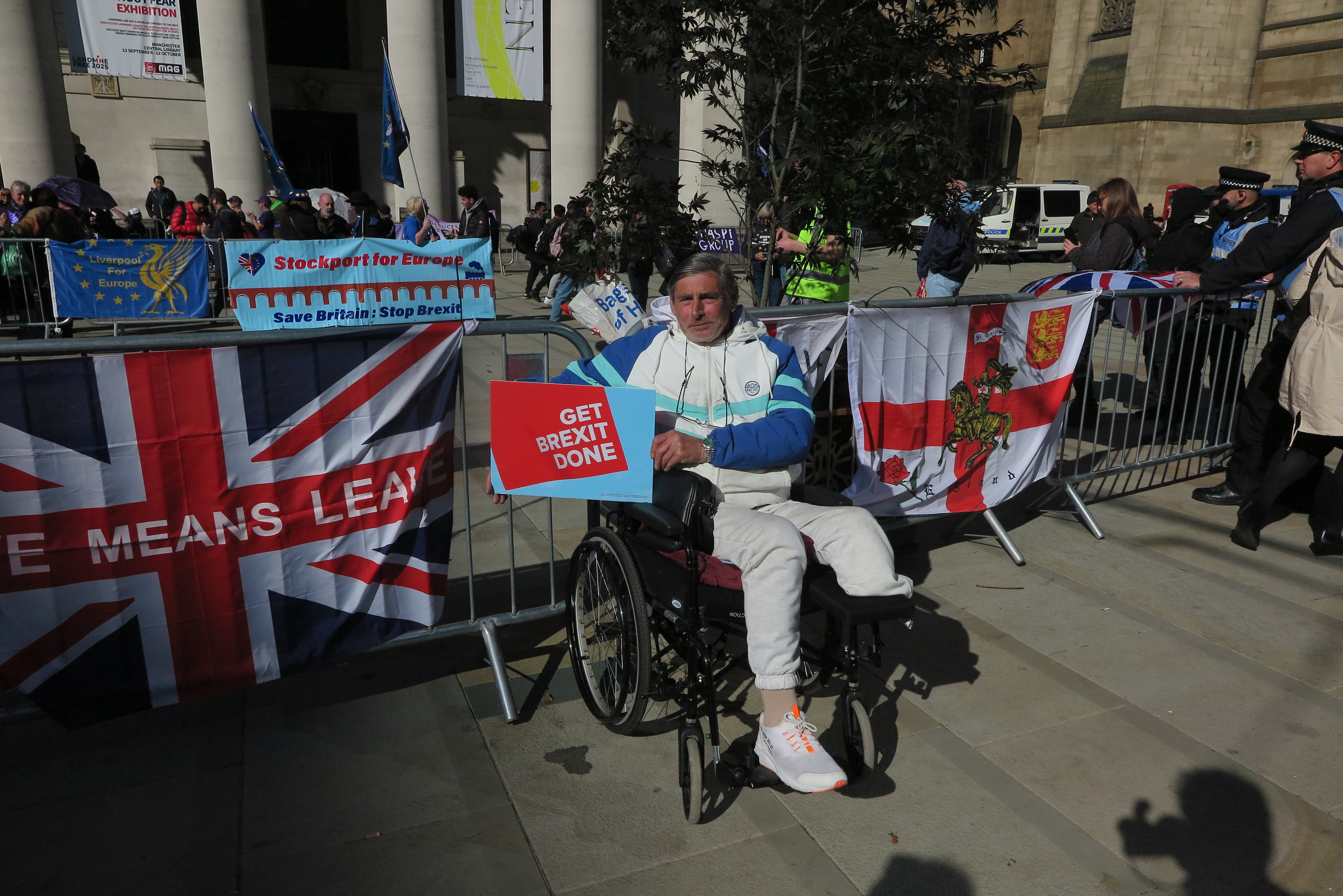
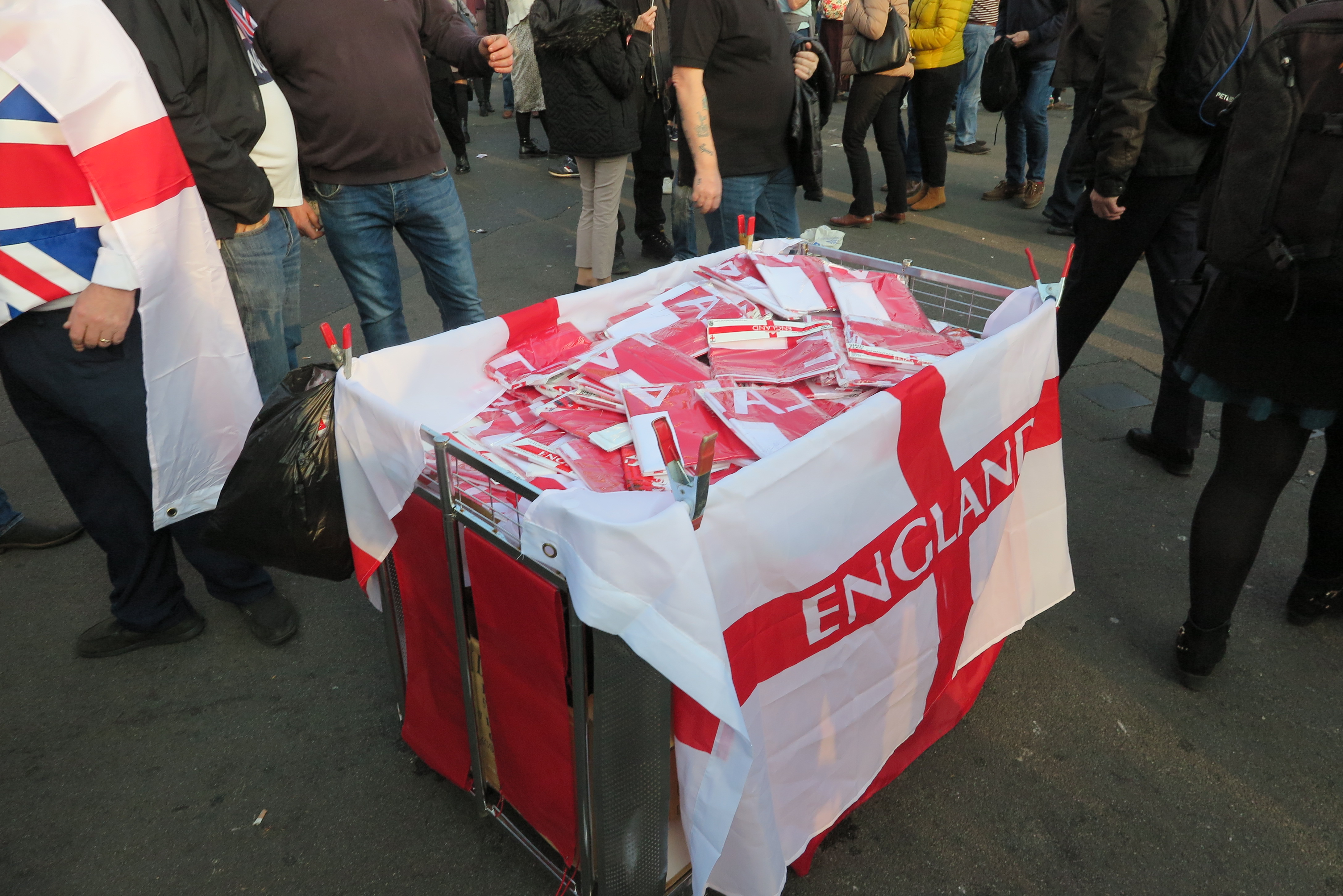
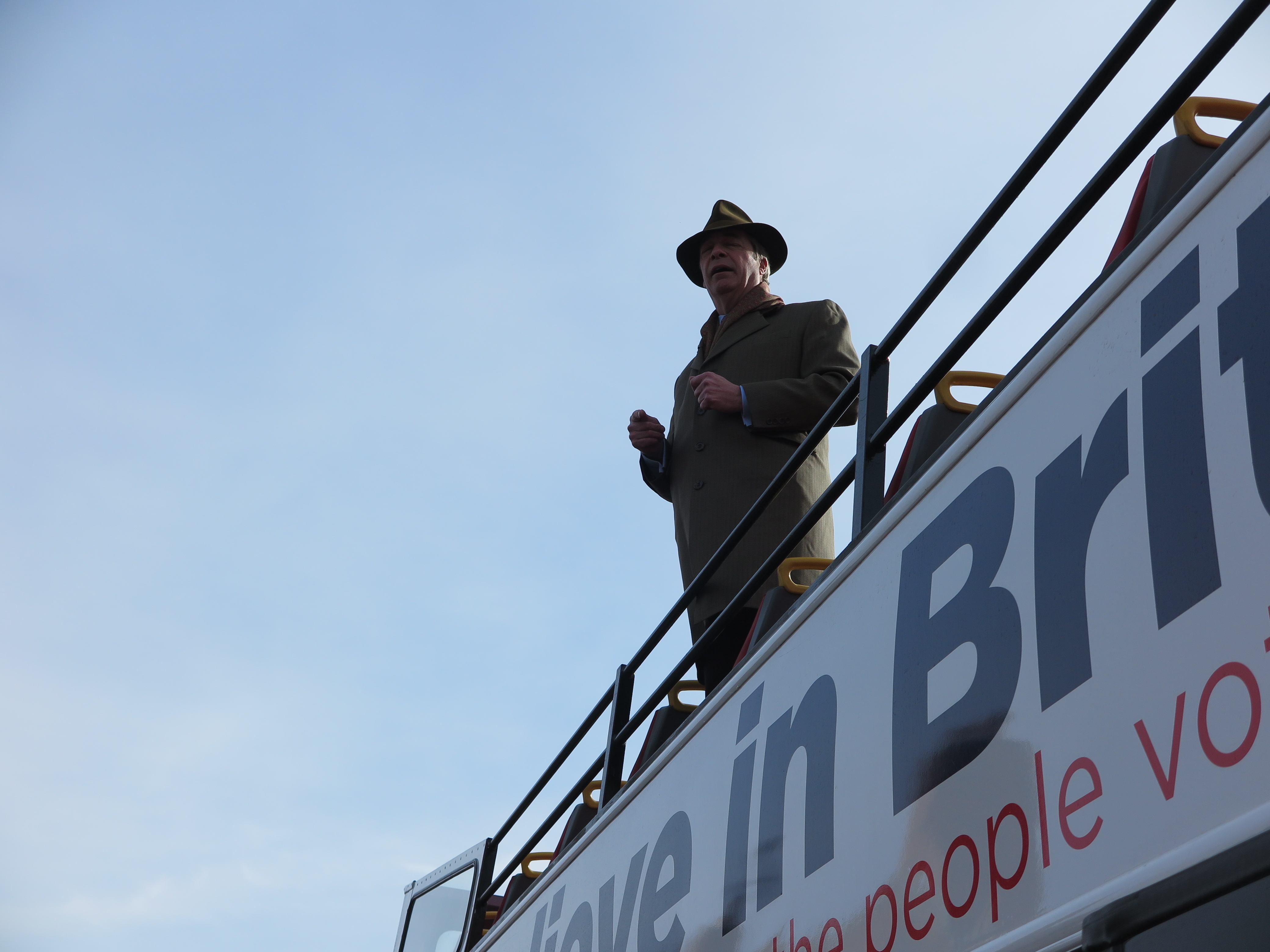
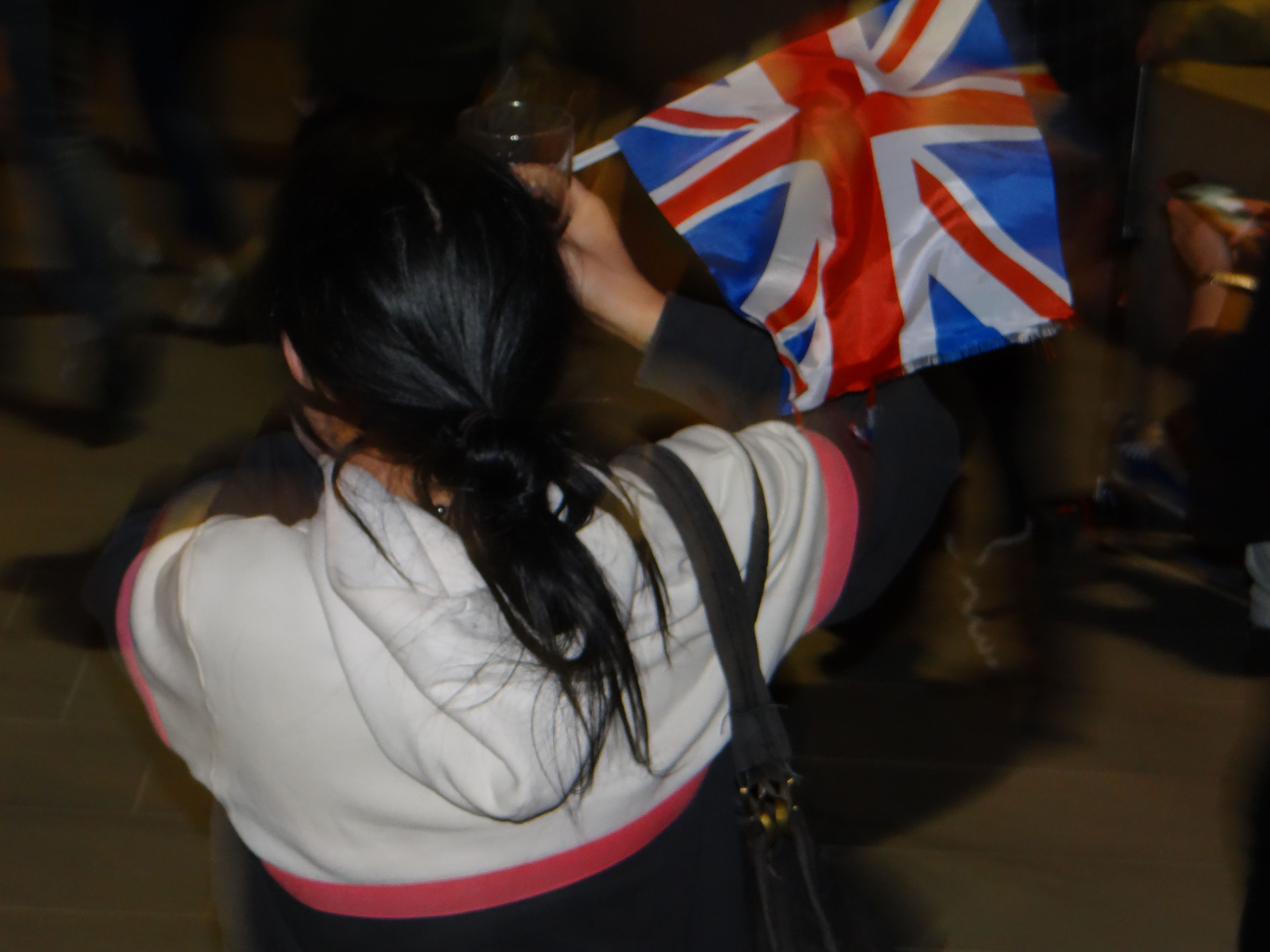
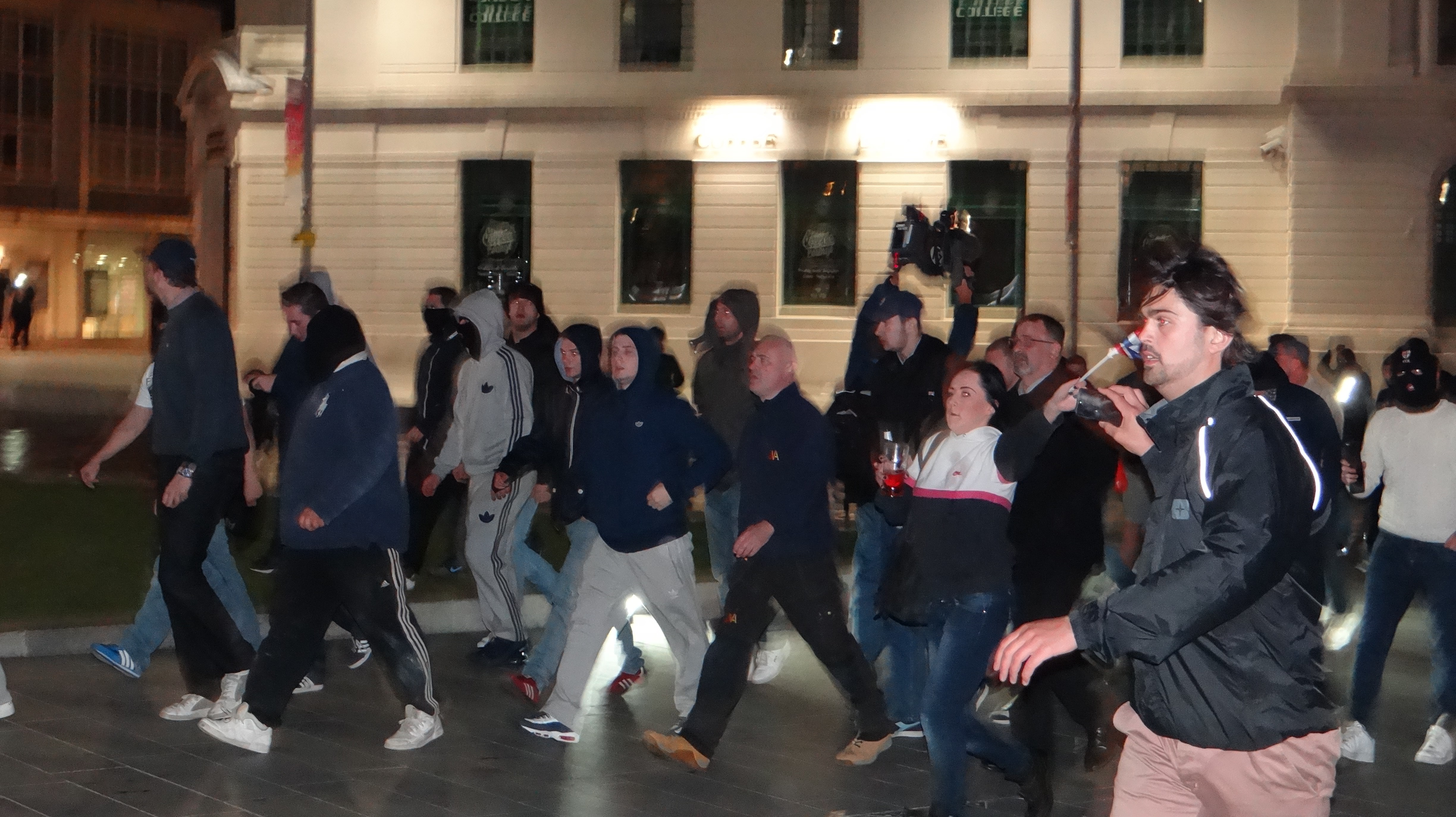
When I went to Woolwich yesterday to examine the scene after the murder, it wasn’t long until I witnessed a backlash action by the far right organisation EDL.  Local young people of minority backgriund suspected it and spoke of fear of being penalized for the actions of some crazed loonies.  There were some exchanges between the police and the EDL supporters, absurdly some of the EDL people had full pints of beer, a woman came with something that looked like a Martini, as if they had emerged from a pub.

I managed to quietly speak with three EDL supportes who explained to me quietly that they had enough, and felt urge to protest.  Not all however were quiet there was quite some shouting and posturing as well in general.  Some of the fans were rather young (15-18, and they seemed to have come from across the entire area).

www.taz.de/Nach-dem-Mord-in-London/!116732/Select link above and use googletranslate to get an English tranlation of the German original on the Online version of the article in Taz.

Ukip on the Block (Taz. Die Tageszeitung)

Benfleet Haltestelle

A short intro paragrah in English can be found at the end!

Mein Bericht über das Städtchen Benfleet in Essex, dass die Populistenpartei Ukip als Lösung ihrer lokalen (!) Probleme auserkorren hat:

Link:  http://www.taz.de/Wahlerfolge-britischer-Rechtspopulisten/!116246/

Was nicht in die Zeitung kam und weitere Beobachtungen:

  • Wikingerdenkmal BenfleetIm 5. Jahrhundert von Sachsen gegründet, wurde Benfleet im Jahr 893 zu einer Festung dänischer Wikinger, doch bereits im darauf-folgenden Jahr wurden diese von den Sachsen angegriffen, besiegt und letztendlich vertrieben. Mehr als 1.000 Jahre später ist nun eine Partei an der Macht, die sich, gemäß der frühen Geschichte der Stadt, stark gegen die Einwanderung Fremder einsetzt.
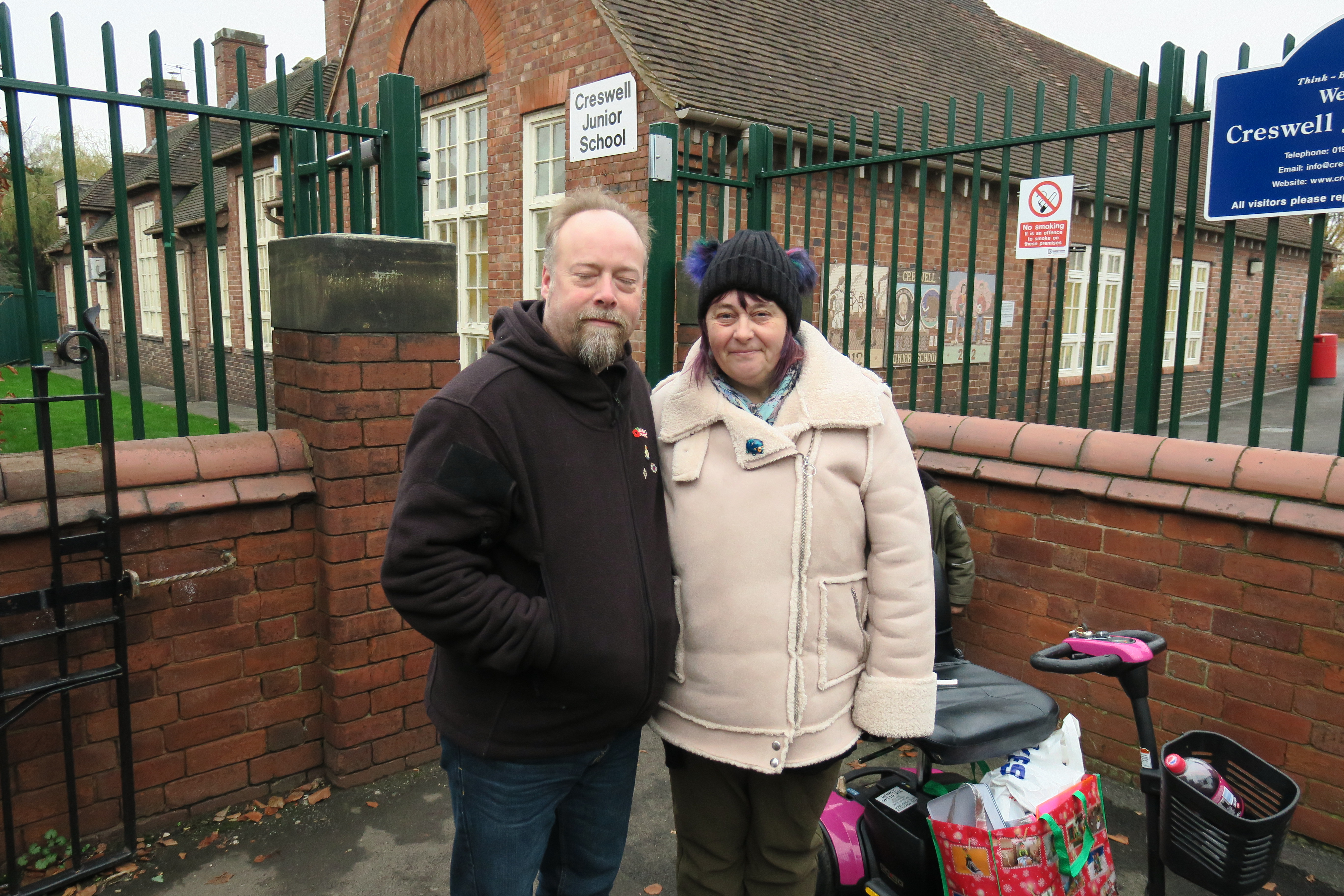
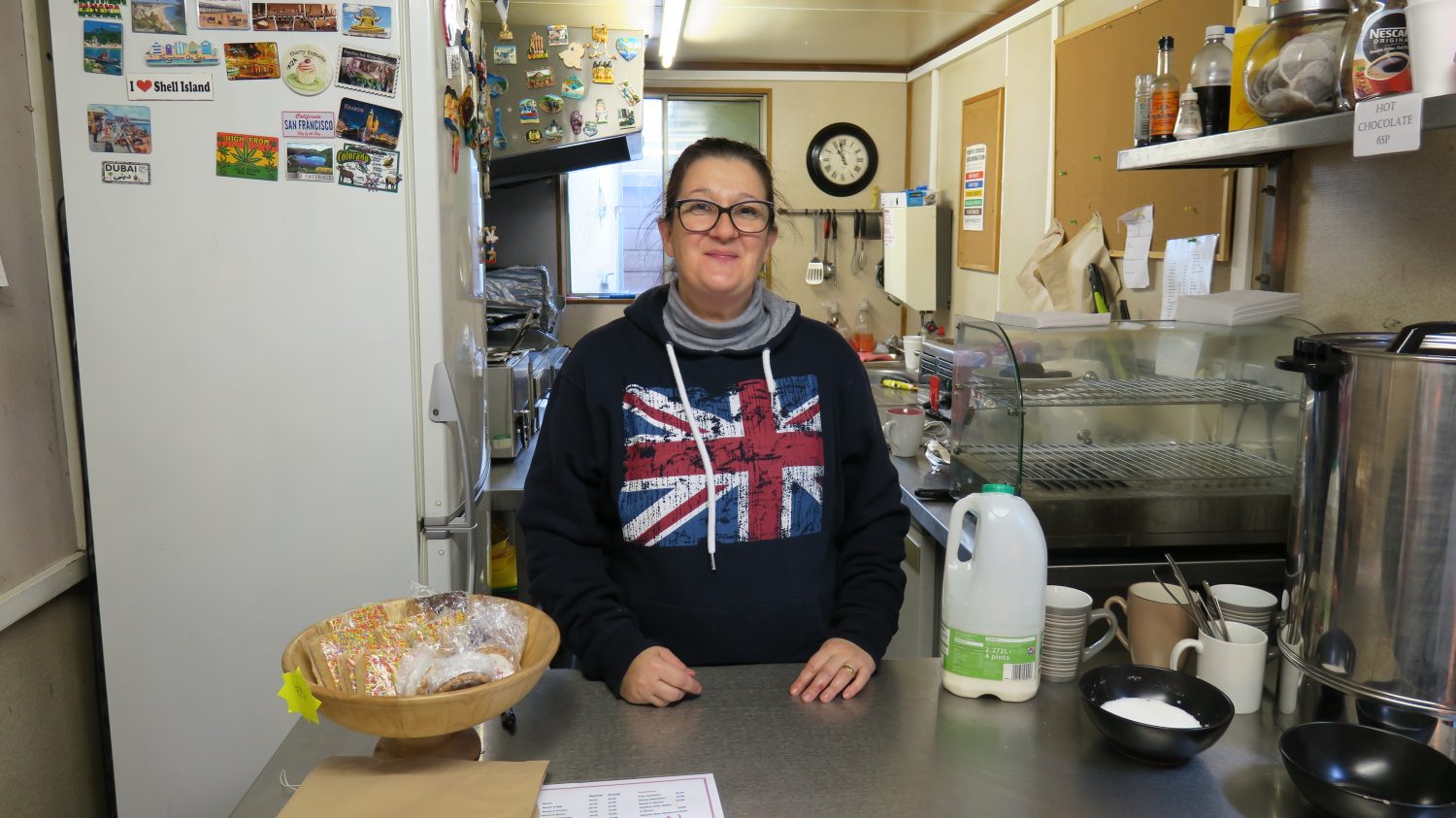
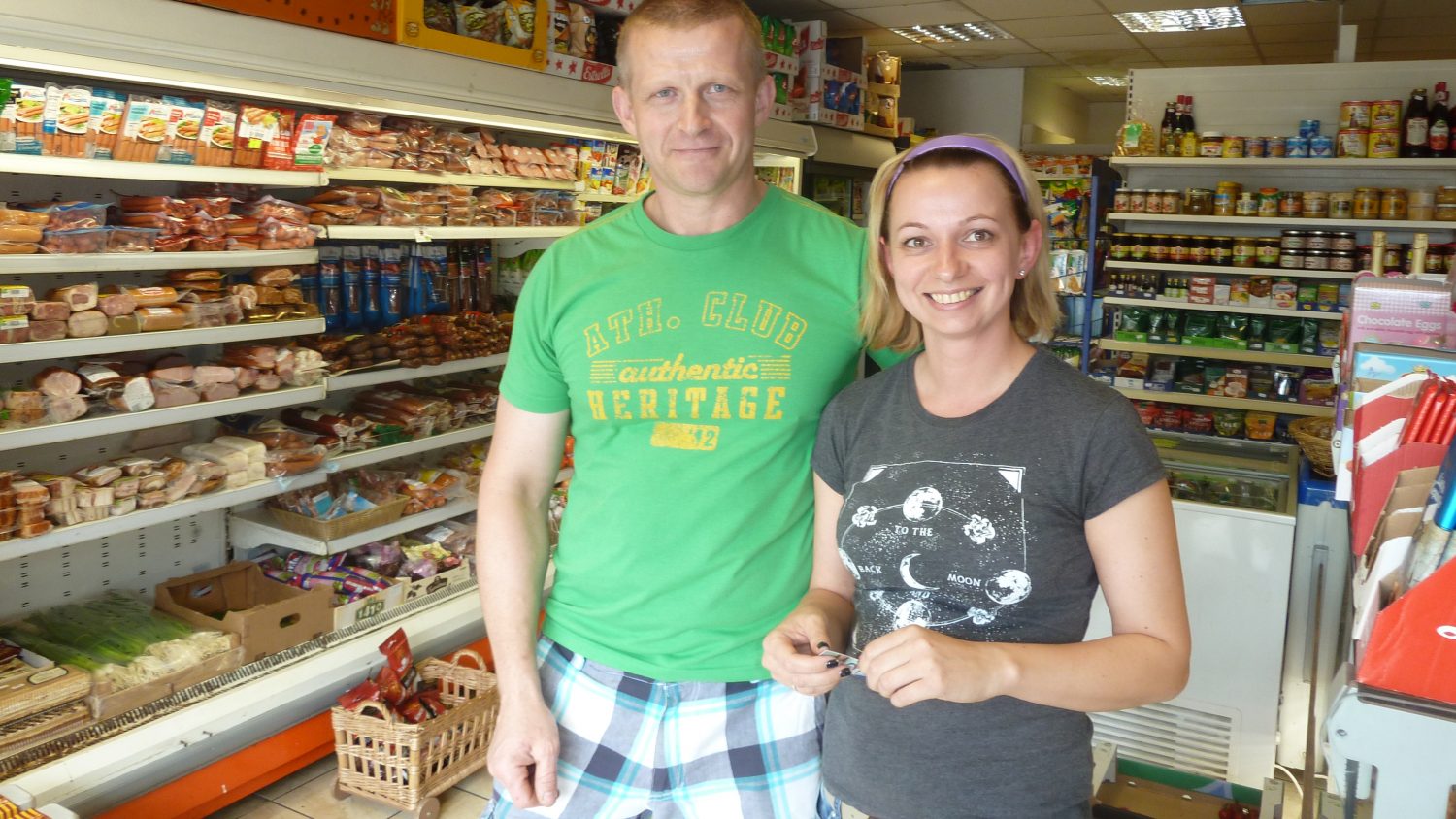
  • Ian und Ann Brown in ihrem Suesswarenladen in BenfleetAuch politische Apathie muss bezüglich dieser Wahlen erwähnt werden. In einem Wahlsystem, dass keine Mindestwahlbeteiligung kennt, bemühten sich im gesamten Shire Essex nur 27.6 % der über eine Millionen registrierten Wähler ihr Zettelchen abzugeben. In Benfleet selber waren es 31.4 % der insgesamt 13.159 Wahlberechtigten. Ian Brown, 48 ist einer der Leute die nicht wählten. “Sie sind alle gleich, machen Versprechungen, die dann nicht gehalten werden“, urteilt der 48-Jährige, der auf der Hauptstrasse Benfleets einen Laden mit traditionellen Süßwaren führt. Auch seine Frau Ann wählte nicht, aber nur weil es diesmal zeitlich nicht geklappt hat. Normalerweise, versichert sie, wähle sie kritisch, „jedes mal je nach politischer Lage und dem was die Politiker sagen“. Das andere MitbürgerInnen jetzt Ukip wählten, bedauert die Geschäftsberaterin. Sie verstehe aber, dass manche zu kurzschlüssigen politischen Haltungen kommen. Sie erzählt, wie Ihr Mann Ian wegen der Rezession und der gleichzeitigen Konkurrenz billigerer europäischer Arbeitskräfte nicht mehr als Gipser, sein eigentlicher Beruf, überleben konnte. So kam es vor zwei Jahren zu dem Süßwarenladen.

  • Die Stadtflucht weißer Engländer, meist aus den ärmeren Vierteln Londons, ist nahezu legendär und führte zur Metamopphorse des ehemaligen gehänselten typischen Cockney Londoner, zu „typischen Essex Männern“ und „Essex Blondinen.“ Diese sind nach dem vorurteilshaften Stereotyp, neureiche Londoner aus der Arbeiterklasse die nach Essex zogen. Ihnen wird eine angebliche einfache politischen Meinung, die von oberflächlichen und angeberischen Konsum getrieben wird, angerechnet.

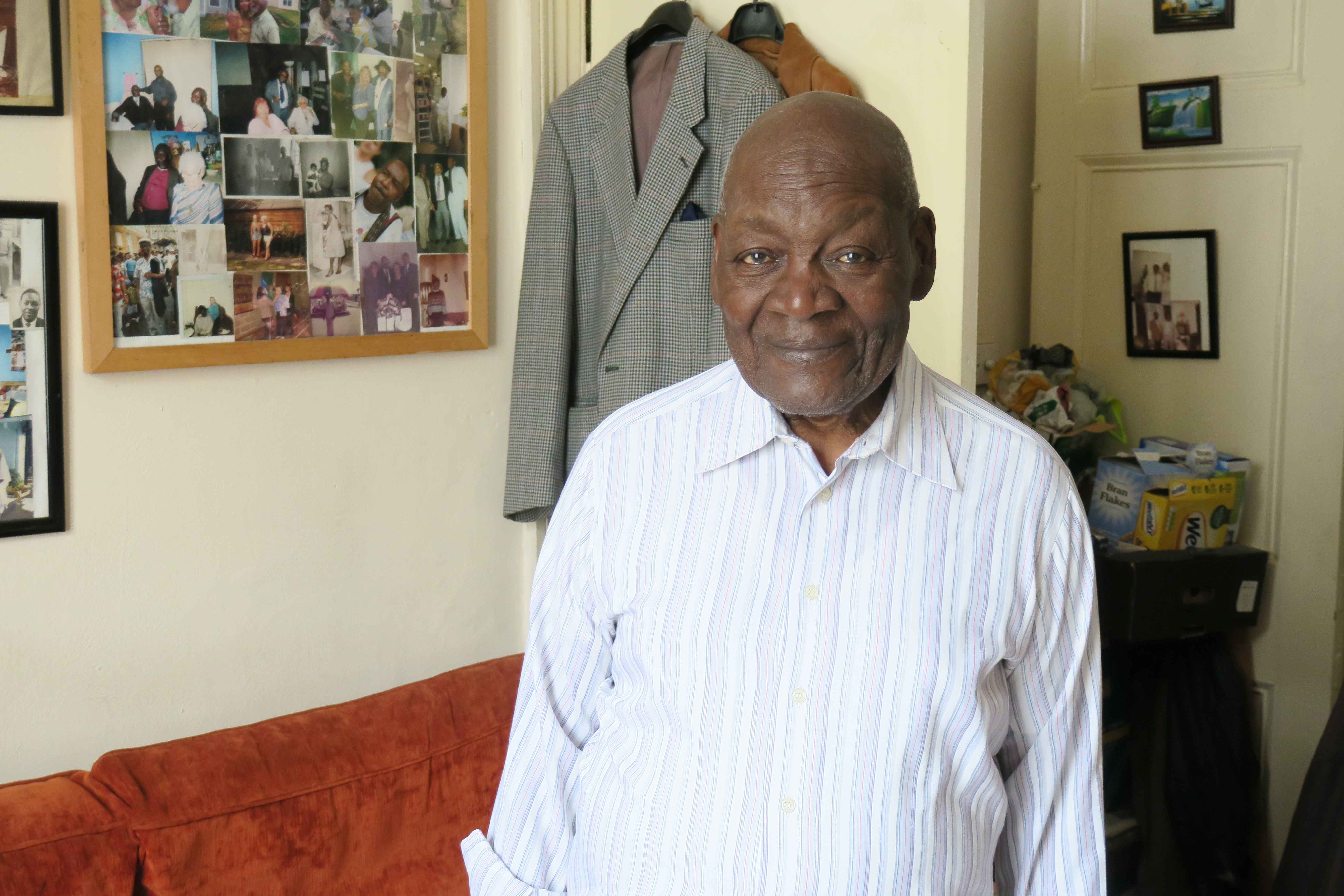
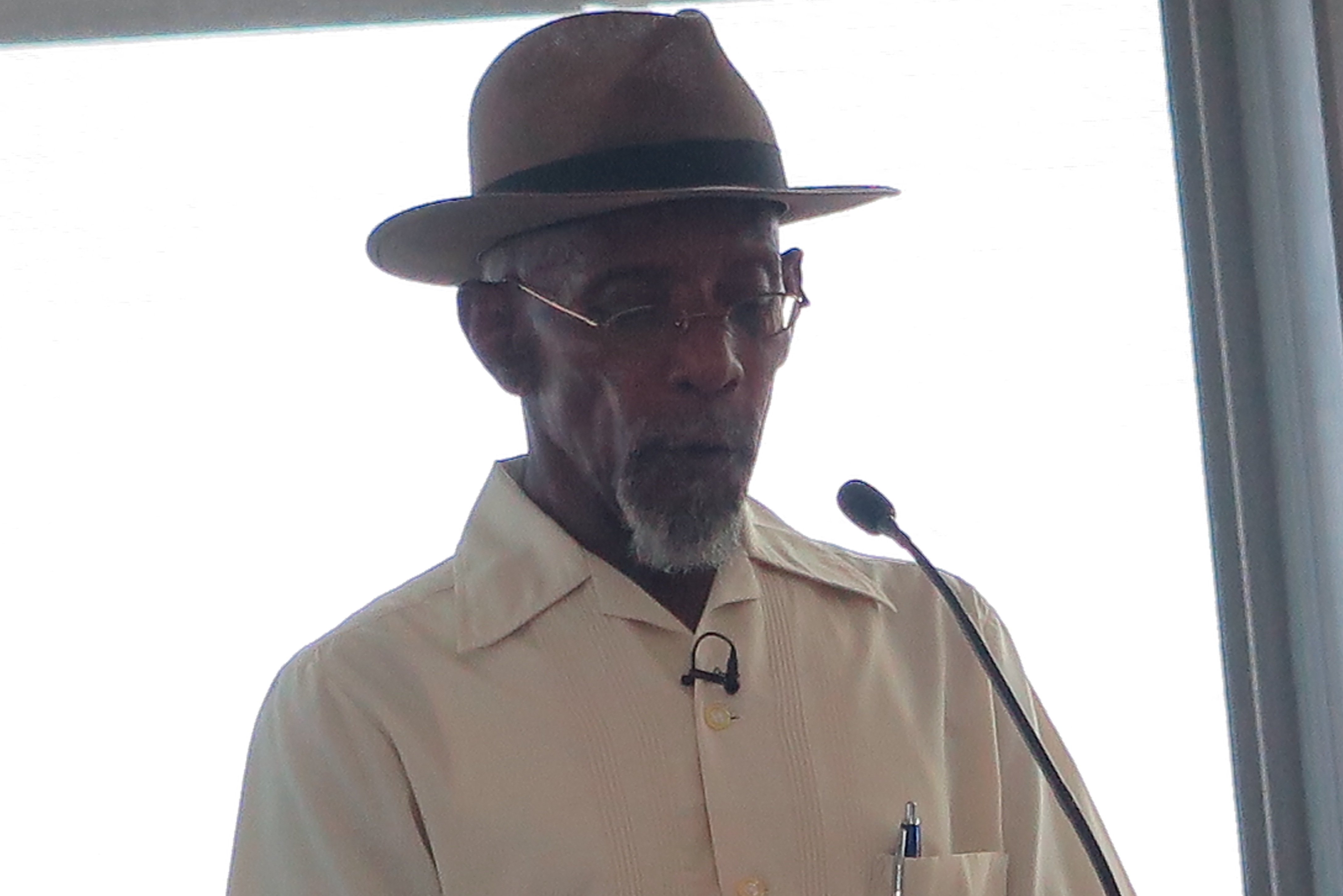
  • „Richte dem Mann aus, dass Mr Campbell ihm sage, er spiele mit dem, was hinter Nellys Schwanz ist.“ (‘Nelly der Elefant’, engl. Kinderlied). Der 77 jährige gebürtige Jamaikaner, der dies verkündet, kam 1955 nach England. Er erinnert sich noch an die Schilder vor Mietwohnungen in London. „Keine Schwarzen, keine Iren, keine Kinder!“. Vor 30 Jahren zog er nach Benfleet, da er in einer nahegelgenen Ölraffinerie arbeitete. Die Antieinwanderungspolitik Ukips macht ihn wütend: „Einst sprach mich jemand auf der Straße an und beschuldigte mich, dass ich ihm seine Arbeit genommen hätte. Da fragte ich ihn: ‘Welchen Job habe ich Dir genommen, den Du je gewollt hättest?’“

  • Kampagnenflugblatt gegen neue Siedlungen im "Greenbelt", BenfleetEssex bleibt aber nachwievor von den Konservativen,mit 42 Sitzen dominiert. Labour ergatterten neun Sitze, und die Grünen konnten ihre ersten zwei Sitze in Essex feiern (auch hier hatte es etwas mit geplanten Bau in geschützten Grünzonen zu tun).
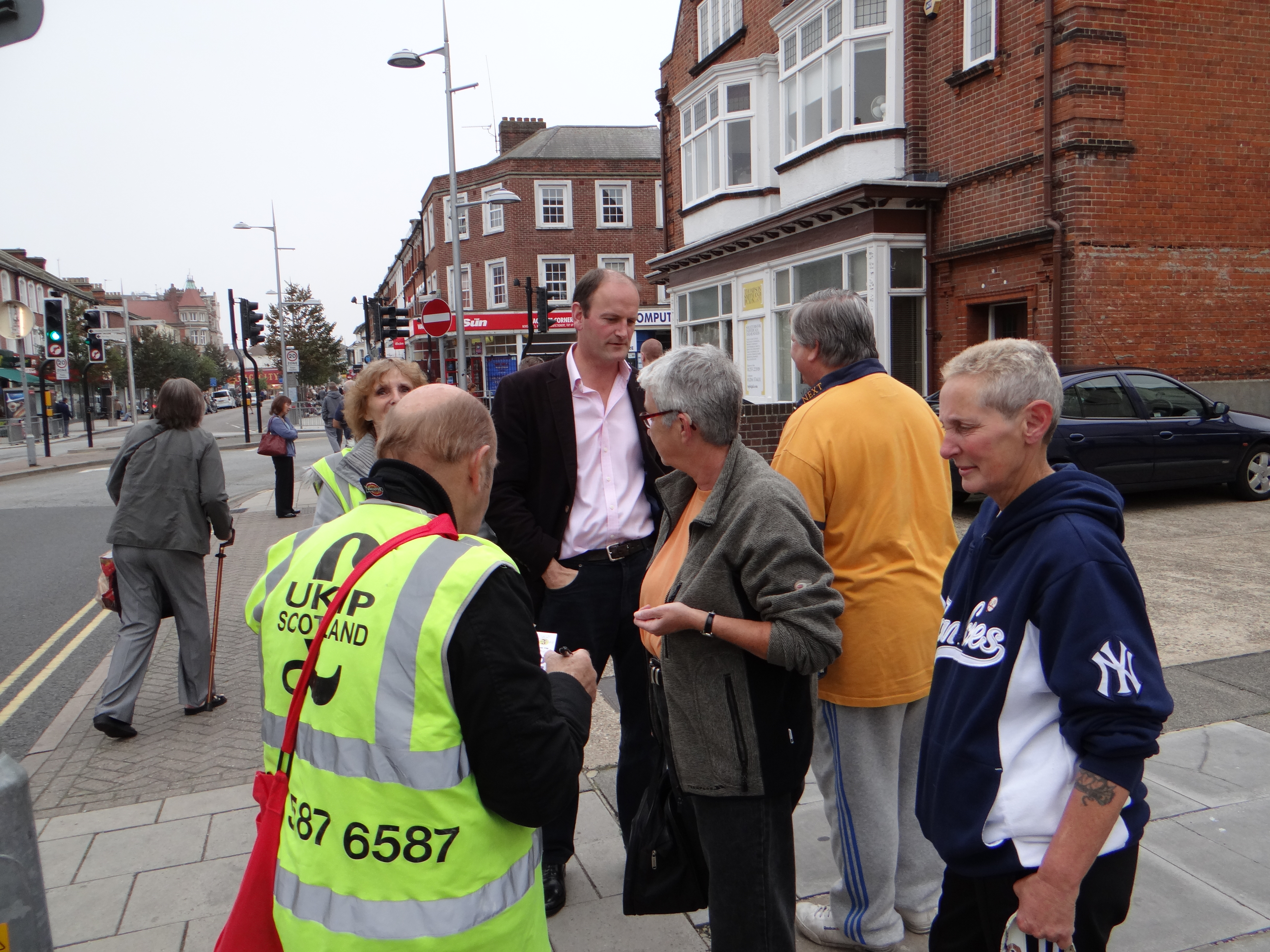
  • Clr. Alan Bayley, Ukip, BenfleetMit den nationalen und persönlichen Erfolg Ukips im Rücken, erkundigt sich Alan Bayley, neugierig wie es mit den Chancen für Alternative für Deutschland steht.

  • Dem Benfleeter Bewohner David Bowden bereitet das alles Sorgen. Der Medizinfotograf im nationalen Gesundheitssystem versteht sich als Sozialist. „Was mich am meisten stört ist, dass einige meiner Nachbarn, die enthusiastisch von Ukip reden, Veteranen sind, die einst durch ihren Einsatz die Welt vor dem Nationalsozialismus retteten. Ich glaube sie haben vergessen, worum es damals ging. Zu jedem der Ukip wählte sage ich: „Seid vorsichtig was ihr Euch da wünscht!“

  • The owner of a tatoo and barber shop on the high street, where a man greeted me who had the three swards of Essex tattooed on his cheek, told me after explaining myself, that “I was in  the wrong shop.”  After I said that I was interested in their opinion, they said, we are trying to politely tell you you to go,!” which I did.
  •  Im “Conservative Club” Benfleet, der der konservativen Partei gehört ist eine populäre Bar. Mehrere Konservative gestanden dort Ukip hat recht, und manche sogar dass sie für Ukip gewählt haben.  Insofern spielt sich die Rebellion unter den Konservativen im Unterhaus auch in den lokalen Parteivereinen ab.

Conservative Club Benfleet ist nicht mehr der beliebteste Club der Stadt.

ENGLISH:

Benfleet in Essex is a typical town in Essex.  It is one of nine areas in Essex were Ukip was voted in during the May 2013 local elections.

My article introduces the political outlook here, which is pretty much the same across the country where UKIP managed to get 25%

of all votes.  In my opinion UKIP knows pretty much what to say and what not to say, even on local level, although one of the local Essex candidates has been reported in the gay press as having made remarks concerning gay marriage.

Ukip seems to attract two kind of voters.  One group are disgrunteled voters of the main parties, the others hopeful voters of the right, including the far right.  Ukip says they would not let any BNP member become a Ukip member and in that they would be the only party to do so in the country.

Benfleet is a place with relatively few immigrants.  It has however a population that is part of the “Essex man syndrome”, that is former Londoners who openly state that they did not want to remain in diverse London, and rather take their kids in schools “where English was not the minority.”  I felt that most who were vocal about immigrants had a rather negative view of these, not appreciating advantages and contributions made.

At the same time, as anywehere else in Europe the EU debate is alive here.  However rather than just focusing on currency and the problems of the market , it focuses much on Eastern Europeans.

In the German bit above, you can also read what did not make it into the paper and extra observations.

Link:  http://www.taz.de/Wahlerfolge-britischer-Rechtspopulisten/!116246/ use googletranslate to enter this link and get a reasonable translation.

Jüdische Allgemeine: Bonjour London! (Französische Juden in London) | French Jews in London

Bericht in Deutsch http://www.juedische-allgemeine.de/article/view/id/15853

—-

English notes:

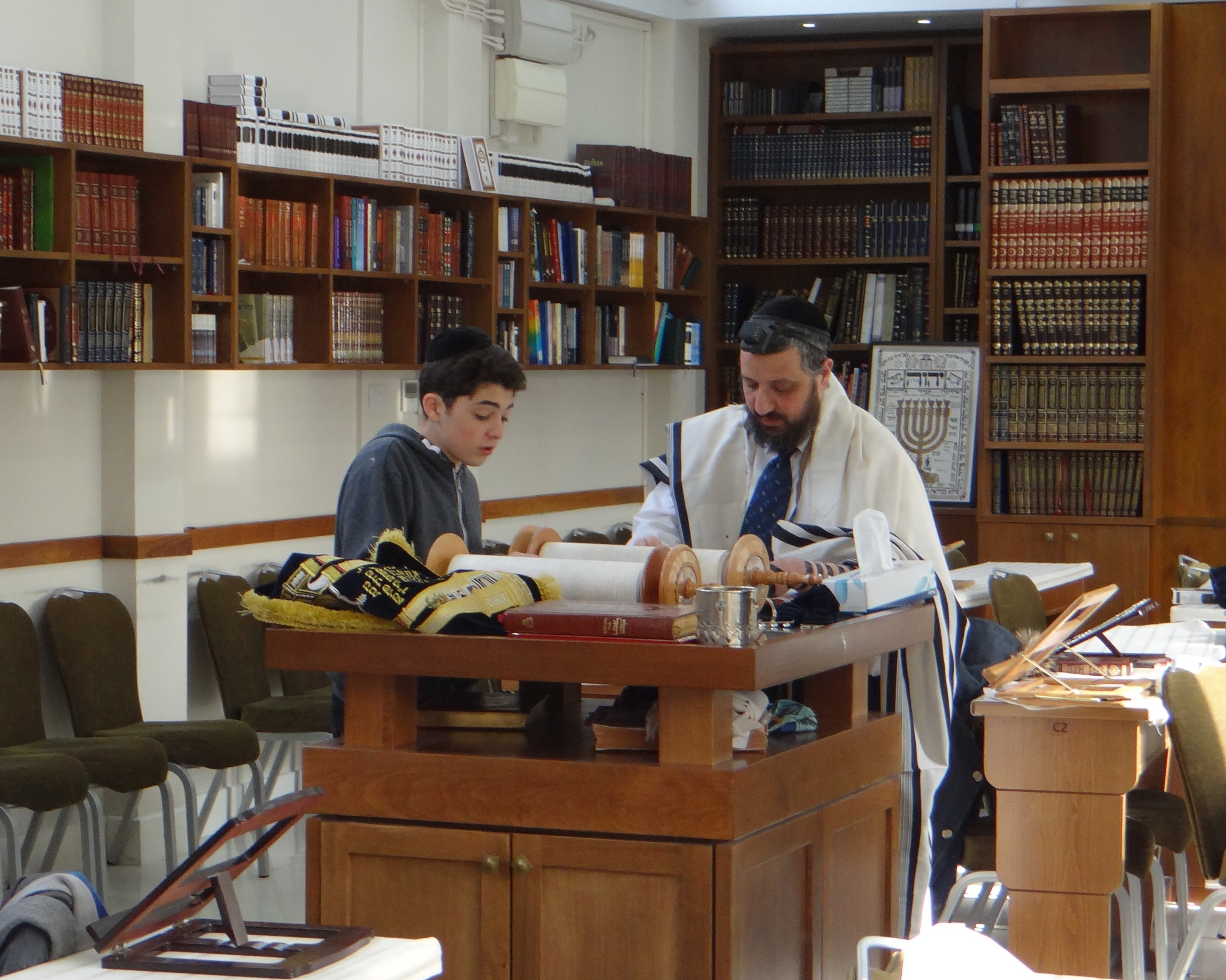
When a Haaretz headline claimed that Jewish people from France leave their country for London and New York, due to anti-Semitism, I was asked by the JüdischeAllgemeine, given that I work in London, to have a closer look.  I learned that few journalists had actually been to the place, where French Jewish Orthodox people congregated to speak with people on the ground.  My report reveals that there was more to the story in the synagogue in St. John’s Wood than the panic headlines revealed.  Not only was anti-Semitism fuelling the French exodus, but also employment opportunities in the London City and the tax laws of Hollandes.  The link to the article is on the top.  Please get help from googletranslate if you can’t read German to get the entire article translated in one go into English.


Rochdale Geburtsstadt der Kooperative! | Rochdale birth city of the co-operative!

This German post is followed by an English introduction further down.

Der Artikel zu diesen Anmerkungen befindet auf Taz Online (Reisen)

www.taz.de/4/reise/artikelseite/1/besuch-im-kooperativen-herzen/

Druckversion: 4. May 2013

—–

Die Idee zu meinem Bericht entwickelte ich, als ich Monate zuvor an einer Radiosendung über  Lebensmittelkooperativen arbeitete.

Deutsche Urversion hier https://archive.org/details/RecheckMP3, englische lange und bessere Version hier http://dzx2.net/2012/06/30/a-better-way-what-can-food-co-operatives-offer-in-the-age-of-the-supermarket/.

Bei den Recherchen erfuhr ich, dass das Pioneers Museum in Rochdale, der  Ort wo die Rochdale Pioniere der kooperativen Idee einst mit einem klienen Laden begannen, gerade in Restaurierung läge, und im September 2012 neu eröffnet werden würde.  Bei der Taz war so ein Bercht gut aufgehoben.  Die Taz ist ja selber durch eine Kooperative Genossenschaft gehalten.

Tim Nuttal der Leiter für Tourismus in Rochdale, der in dem Artikel erwaehnt wird,  hat inzwischen leider seinen Arbeitsplatz verlassen.  Es hatte so hörte ich, etwas mit den Kürzungen der momentanen britischen Regierung und deren Auswirkungen auf das Stadtbudget zu tun.  Man versicherte mir aber, dass Besucher auch weiterhin auf Hilfe rechnen können.

Ein paar Passagen, meines Erachtens waren sie wichtig. wurden von den Redakteuren herausgenommen.  Sie beziehen sich auf Rochdale als “islamische Stadt.” Auch Tim Nuttal hatte die Stadt so nich nicht beschrieben gesehen, aber er musste mir recht geben.  Hier die gestrichenen Passagen:

Am Abend treffe ich mich mit Mitgliedern der Zentralmoschee. Es ist die größte mehrerer lokaler Moscheen, die Saint John the Baptist gegenüber dem Bahnhof nicht mitgezählt. Die Kirche mit dem weißen Kuppeldach gibt absichtlich einen Hagia Sophia Anschein. Auch das aufwendig gebaute Rathaus, ein Zeichen des ehemaligen Reichtums Rochdales, mit seiner Empfangshalle im Stile der Al-Hambra, hat nichts mit den 30,000 muslimischen Bewohnern der Stadt zu tun. Einst leisteten sie monotone Fabrikarbeit, meist die Nachtschicht. Heute sind die Hiergebliebenen Restaurantbesitzer, Taxifahrer oder führen Abholgroßmärkte, wie den Haji Cash & Carry, der sich gigantisch neben der Hagia Sophia erhebt. Die Muslime Rochdales hatten im vergangenen Jahr eine schwere Zeit erlebt, nachdem zwei Prostitutionsringe durch die Polizei gesprengt wurden. Minderjährige junge Frauen wurden misshandelt, alle britisch-europäischer Abstammung. Als es bekannt wurde, dass die Straftäter pakistanisch-muslimischer Abstammung waren, marschierten Neonazis aus ganz England durch die Stadt. Der Sekretär der Zentralmoschee Ahsan ul-Haq, 58, findet das unfair: „Wenn Muslime was falsch machen, sind wir alle gleich verrottetes Gesindel.“ Er und der Jugendarbeiter Akhtar Hussein, 48 führen mich durch die Moschee, ebenfalls ein Nachbau, eine Imitation der Jerusalemer Al-Aqsar Moschee. Hussein berichtet von seiner Tochter die Architektur studiert und seinem Sohn der Arzt ist. Außerdem spiele seine Tochter hervorragend Fußball. Er wehrte sich den Protesten einiger Glaubensgenossen, dass sie als muslimisches Mädchen nicht im normalen Outfit spielen solle. Der Abend endet in einem lokalen pakistanischen Restaurant. Wo es neben traditionell gegrillten Hallalfleisch, auch englisches Steak, Pasta und „extra Gravy“, einen regionaler Bratensaft gibt.

Ein Besuch in Rochdale:

ENGLISH

Online Version 5th of May 2013     www.taz.de/4/reise/artikelseite/1/besuch-im-kooperativen-herzen/

Print Edition 4th of May 213 Taz Am Wochenende (contains tow extra colour prints)

The idea of my article on Rochdale, the birth town of co-operatives, developed, when I worked on a radio feature on food co-operatives (see and hear  dzx2.net/category/food-co-ops/).  Whilst researching it I learned that the Pioneer’s Museum in Rochdale was being redeveloped and re-open in September.  As soon as the Olympics and Paralympics I worked on were out of the way, I proposed to Taz’s travel editor a feature on Rochdale. It was well received.   Rochdale not only had a co-operative heritage but had a dedicated Islamic legacy, initially based on the architectural admiration of some of its local architects for Islamic monuments such as the Hagia Sophia and the Al Hambra in Granada.  The industrial heritage of Rochdale however is like a living museum.  Inspite of th at, Rochdale has not yet succeeded to appropriately protect it, or work with it, nor are many of the former co-operative buildings protected, or its citizens immensely aware of what Rochdale’s co-operative inheritance means to many visitors from many corners of the world. For a city that is a typical town of the North, suffering investment, and its older glory faded, such an identity and protection would be crucial.  One can only hope that the future leadership of the town will be prepared to emphasise its legacy as much as is necessary and create new forms of co-operative arrangements.  This is why I called not the Pioneer’s museum, but the high rising tower blogs of Rochdale, the town’s most striking symbol of co-operation.  Well worth a visit to anyone interested in social and industrial history.   Taz is uniquely held by a co-operative of readers and supporters, rather than by sales, subscriptions and advertisements.  It’s co-operative structure makes it one of Germany’s most independent papers and hence the article fits in well with its ethos.  As I found out one the first female writers and editors of Great Britain Lily Howe came forward through the co-op, as did many women members with voting rights soon after the co-ops establishment.

You can read my article via the link at the start of the English paragraph. Use googletranslate to get a reasonable translation.  One paragraph, the one on my visit to a Rochdale mosque has been taken out.  It is quoted in full however above (in German).  Again googletranslate will give you a reasonable translation.

Stress, Depression und Selbstmord in der City Londons – Alle anderen sind verrückt |Mental Health in the City of London – Crazy are all the others (Taz.Die Tageszeitung)

City of London

City of London (Photo credit: markhillary)

The paragraph in German is followed by a paragraph in English!

Notizen zu meinen Zeitungsbericht in der Taz vom  Donnerstag, 25.04.2013 -

Supporting comments regarding my newspaper article in the German Taz of Thursday 25th of April 2013

Deutsch:

Dieser Bericht entstand nachdem der Untersuchungsbericht des letzten spektakulären Selbstmordes in der City of London (Londons Finanzdistrikt) veröffentlicht wurde. Von diesen hatte es in der City einige gegeben und es stand an der Hand einmal hinter die Kulissen zu schauen, wie es um die mentale Gesundheit der City steht.  Was ich da fand mag wenige überraschen, oder vielleicht doch? Lebt man nicht in der City mag man die Summen mit denen dort hantiert wird, und die Spekulationen und Deals als nahezu verrückt deklarieren.    Wer bedenkt, dass Handel gerade mit Nahrungsgütern wie Getreide andere Menschen in den Hunger treiben kann, mag dementieren,  dass solche Händlern noch einen gesunden Menschenverstand  haben. Doch diese Gruppe Menschen tut so, als ob Depressionen und Stress hier gar nicht erst existieren würden, wie ich herausfand.   Es ist natürlich so, dass mentale Krankheiten ohnehin ein Tabu sind, nicht nur unter Bänkern, aber statistisch als auch journalistisch sind sie in der City nicht leicht erfassbar, im Gegensatz zu anderen Sozial-und Berufsschichten.  Nur wer sich mit den Psychologen und nationalen Organisationen die sich mit mentaler Gesundheit beschäftigen, unterhält, erfährt  mehr.

Der Link ist unten, Kommentare können dort auch hinterlassen werden und sind immer willkommen.  Weitergeben auf Twitter und Facebook nicht vergessen!

http://www.taz.de/Psychische-Gesundheit-im-Finanzsektor/!115097/

English

My research for this article began, when the final report about the latest suicide in the City of London was released.  There were a few spectacular suicides over the last few years in the square mile, and I thought it was time that somebody looked behind the the headlines, to see what is going on in the city.  The results may or may not surprise.  To the outsider, those who work with unimaginable sums, and trade with commodities like food staples that can chase half of the worlds’ population into starvation, may seem unreal, perhaps “crazy.”  Mental health is always a taboo, not just amongst bankers and people working in the financial services sector.  However unlike other sections of society, here neither health or medical stats, nor my research was able to get “real data,” because mental health problems are totally hidden behind in the City of London a culture of self-proclaimed mental strength.    Yet if one talks to the psychologists, that work in the city, or national mental health organisations  for an opinion, a different picture emerges.

Below is the link to the full article.  If you do not speak or read German, please use googletranslate.  Don’t forget to share the article in your tweets and facebook!  Do leave a comment giving your reaction if you like at Taz  online.  It is always useful – really!

http://www.taz.de/pt/2013/04/25/a0057.nf/text

thema

Online war der Bericht der Leitartikel am Sonntagmorgen 28.04.13 und eines der Themen des Tages

In its online version the article was chosen to be the lead article on Sunday morning 28/4/13 and the one of the thems of the day.

Bericht von Thatchers Bestattung: Im Feuer der politischen Kontroverse | Reporting from Thatchers Funeral: In the heat of political controversy (Taz, Die Tageszeitung)

Mein Bericht in der Taz Donnerstag Ausgabe kam direkt aus der Fleet Street.

Er kann hier nachgelesen werden:  taz.de/Thatchers-letztes-Geleit/!114705/

English added comments:  My report in the Taz for the Thursday edition came straight from Fleet Street.

As I mingled amongst the people I found it difficult to find opponents to her funeral for at least an hour.  There was a lot of hype about these and I had expected to find them instantly.  Instead I found many who told me stories of their great admiration of Thatcher.  I have named a couple, but I took notes from at least 10 more.  Amongst them also Tony Comds, 44 a former Marine soldier, who had served in the Falklands and who had an obvious disability, although I wasn’t sure if it was sustained due to battle. He said he admired Thatcher but he did not have the same kind of feelings for the current government, as he found himself currently to be unemployed. Another group of the para-shoot regiment I found to be upbeat almost  slightly inappropriate for the occasion.  All soldiers and members of the police force carried their special awards for bravery.

As I interviewed people on the road-side,  ceremonial army staff kept organising the armed guards, amongst others using a measurement stick to check in the smallest detail the final standing positions of soldiers.

Eventually I did find some protesters through a 30-year old button sticker in support of coal miners. Others were visible through flowery or red T-shirts, most positioned near Chancery Lane.  They were either from up North, especially Yorkshire, or they were intellectuals such as psychologists and lawyers (the majority of Thatchers supporters were business owners or people in finance, including an unsuspecting couple that declared they were millionaires).  One man told me, that he had once been responsible for the privatisation procedures of Margaret Thatcher in the city, and that this was what caused him to vehemently oppose these measures, because he saw first hand what they did.

The procession reminded me of a country of a different age, perhaps Edwardian.  The kind of postcard England from the empire days, although likewise dignifying.  There was very ordered and tolerant  behaviour shown by all, the public and the police.  Both sides amongst the watching crowd, supporters and opposer of Thatcher said they respected the others being there, as a symbol of British democracy.

The main chunk of my observations can be read via google translate (if you do not speak German) or straight here. It also contains a.o. observations on the service and what was said there.

taz.de/Thatchers-letztes-Geleit/!114705/


Radwege in London: Radfahren und überleben | Cycle paths in London: Cycling and surviving. (taz)

Bicycle area at road junction in London

Bicycle area at road junction in London (Photo credit: Wikipedia)

Die deutsche Version erklärt sich von selber,  interessant war bei den Recherchen des Berichts die Unfähigkeit (gewollt oder ungewollt) der Pressesprecher für Verkehrswesen des Bürgermeisters meine Fragen trotz deren Versprechen zu beantworten.

Zum vollen Bericht:  www.taz.de/Radwege-in-London/!114047/

English:

This article explains the recent announcement on changes on cycling in London after the release of the mayor Boris Johnson’s  policy statement of intend entitled ‘A cycling vision for London.’   The article explains the importance of the local lobby group London Cycling Campaign (LCC) and the transport committee of the Greater London Assembly.  Their chair Caroline Pidgeon said amongst others (this is not in the article) that their own consultations, which included expert witnesses from Holland and Denmark alongside discussions on twitter had helped and kept the pressure on.

LCC added that the talks this time involved all stakeholders, because all had an interest in higher safety.  Pidgeon stated that the money set aside by the mayor represented no real term increase.

Curious in the making of the article was the mayoral press office failure to answer my questions (even though I had extended their deadline three times by a several days up to over a week), and in spite of promises and reminders.  Officially I was told they were too busy and that I had asked quite a few in depth questions.

Full report (use google translate if you do not read German) :  www.taz.de/Radwege-in-London/!114047/